
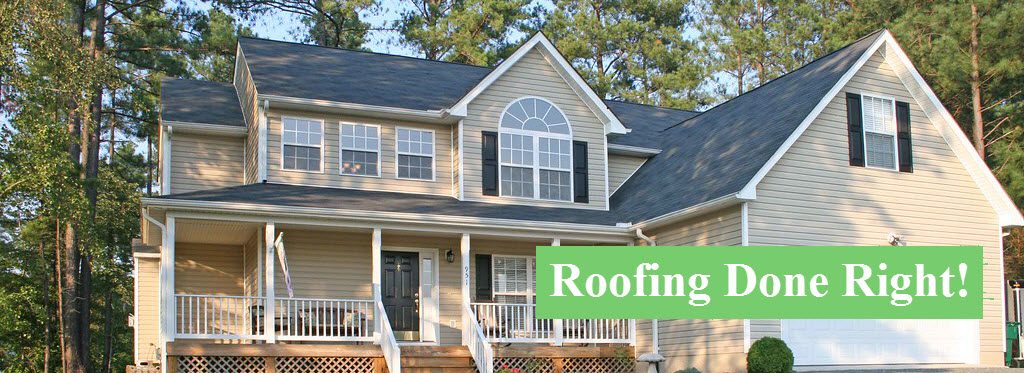
Architectural Shingles: Advantages and Drawbacks (2024 Guide)

Architectural Shingles: Advantages and Drawbacks (2026 Guide)

I remember a homeowner back in 2024 who insisted on using traditional 3-tab shingles to save exactly $1,500 on a 2500 square foot roof. A month after the job was done, a sudden 60 mph wind gust peeled those thin strips back like a banana skin. I was back out there three weeks later stripping the brand new roof to install architectural shingles. He paid twice for labor because he tried to save once on materials. In my experience on the job site, that is a lesson most people only want to learn once.

Architectural shingles, often called dimensional or laminate shingles, are the undisputed industry standard in 2026. They now make up nearly 80 percent of all residential installations I see. While they require a higher upfront investment, installing anything less for your home is usually a mistake for long-term asset protection. You can feel the difference the moment you pick up a bundle. These things are heavy, weighing between 65 and 80 lbs per bundle, and the gritty texture of the ceramic-coated granules is designed to take a beating from the elements.

Advantages of Architectural Shingles

Architectural shingles offer superior durability, wind resistance up to 130 mph, and a multi-dimensional aesthetic that mimics natural slate or wood shakes. Their heavy-duty construction, featuring two layers of asphalt-coated fiberglass laminated together, provides a 30 to 50-year lifespan and significantly higher curb value for modern residential properties in 2026.

Durability and Impact Resistance

Modern engineering has pushed these materials to new heights. Most high-end architectural shingles now carry a Class 4 impact rating. In the testing lab, manufacturers like GAF with their Timberline UHDZ line or CertainTeed with the Landmark series blast these shingles with two-inch steel balls to simulate heavy hail. When I am standing on a roof after a storm, the difference is clear. A dimensional shingle absorbs the energy that would crack a thinner material. This durability is why they are often a prerequisite for roofing repair coverage in high-wind jurisdictions.

Aesthetic Appeal

The “dimensional” name comes from the way these shingles are constructed. By laminating two layers together, manufacturers create deep shadow lines and a staggered 3D profile. This design does more than just look good; it hides minor roof deck imperfections that would be glaringly obvious under flat shingles. Whether you want the look of hand-split cedar or heavy slate, the 2026 color palettes offer blends that shift beautifully in the sunlight.

Energy Efficiency

The Cool Roof Rating Council (CRRC) has influenced a lot of the tech we see in 2026. Many architectural shingles now utilize reflective granule technology. These specialized granules shed infrared heat rather than absorbing it into the attic. On a 95-degree day, I have seen attic temperatures drop by as much as 20 degrees just by switching to a reflective architectural product. This helps the HVAC system and lowers the structural strain on the building.

Warranty Realities

You will see “Lifetime Limited Warranties” plastered all over the packaging. As a consultant, I tell my clients to read the fine print. These warranties are almost always prorated and primarily cover manufacturing defects, not storm damage. However, in 2026, many top-tier manufacturers offer non-prorated periods of 10 to 20 years if the roof is installed by a certified contractor. It provides peace of mind, but remember that poor ventilation or “acts of God” can still void your coverage.

Drawbacks of Architectural Shingles

The primary drawbacks of architectural shingles include a 20 to 30 percent higher material cost compared to 3-tab shingles and increased labor expenses due to their weight. Additionally, their textured surface can trap organic debris or moisture if the roof pitch is too low, requiring regular professional maintenance.

Current Market Costs

The 2026 market has seen some stabilization, but quality comes at a price. For a professional installation, you should expect to pay between $450 and $700 per square (a 100-square-foot area). This price fluctuates based on the complexity of your roof, the pitch, and local labor rates. While it is a jump from the old 3-tab pricing, the lifecycle cost is lower because you aren’t replacing the roof every 12 years after a bad thunderstorm.

Weight and Structural Load

Weight is a double-edged sword. While it provides wind resistance, it also puts a massive load on your rafters. A single square of architectural shingles can weigh between 230 and 450 pounds. On a standard 2,500 sq. ft. home, you are looking at over 5 tons of material sitting on your house. If you are transitioning from a lighter material or working on an older commercial roofing project, I always recommend a structural check to ensure the decking can handle the mass.

Maintenance Requirements

The same nooks and crannies that create those beautiful shadow lines can also catch pine needles and leaves. If debris sits there, it holds moisture and can lead to rot. We also deal with Gloeocapsa magma, the black algae that causes those ugly streaks. Most 2026 shingles include copper-infused granules to fight this, but you still need to keep your gutters clear. I have seen many “lifetime” roofs fail early because the owner never cleared the valleys of organic matter.

Making the Decision for Your Home

Choosing architectural shingles is best for homeowners seeking maximum ROI and storm protection. If you plan to stay in your home for more than seven years, the durability and insurance premium discounts for impact-resistant shingles typically offset the higher initial investment compared to traditional asphalt options.

There is a trade-off to consider. If you are flipping a low-value rental property and just need a “weather-tight” certificate, the extra cost might not make sense. But for a primary residence, this is the gold standard. I always listen for the sound of the nail gun hitting the “sweet spot” on the laminated strip; when it is done right, that roof is not going anywhere. If you are managing a larger property, my background in construction management has taught me that the “cheapest” option is almost always the most expensive in the long run.

Choosing the right roof is an insurance policy against the next decade of unpredictable weather. If you want a professional assessment of your current roof or need to discuss a full replacement, contact Quality Construction today. You can also find me, Jeff Duncan, on LinkedIn for more technical roofing advice and industry updates.
Roof Rejuvenation vs Roof Replacement

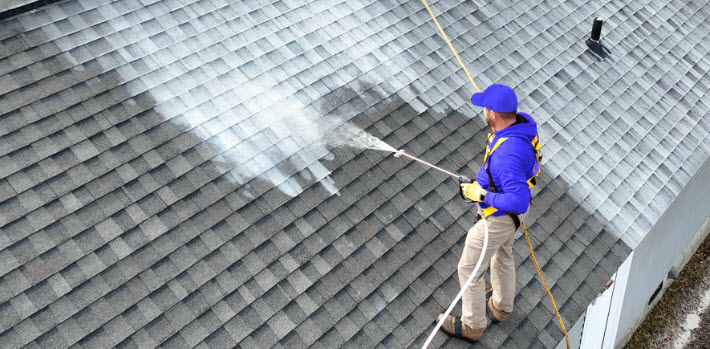
roof rejuvenation sprayingWhen it comes to maintaining the health of your roof, you may be faced with the decision between roof rejuvenation and roof replacement. Understanding both the structural and cost differences between these two options can help you make the best choice for your home.
Roof Rejuvenation

Roof rejuvenation is a process that involves cleaning, repairing, and restoring the existing roof often using special eco-friendly oils to extend its lifespan. With a shingled roof the oil is absorbed into the shingle thereby making it more supple and more waterproof. It also imprives the look of the shingle so it is aesthetically moore pleasing. This cost-effective option can help improve the appearance and functionality of your roof without the need for a full replacement. The cost of roof rejuvenation is usually between fifteen and twenty-five percent of the cost of a new roof.

Roof Replacement

Roof replacement involves completely removing the existing roof and installing a new one. This option is necessary when the roof is severely damaged or nearing the end of its lifespan. It is a more expensive but better long-term solution as compared to roof rejuvenation. It goes without saying that the immediate cost of replacing your roof will be much more than a typical roof rejuvenation but you need to look at the long term cost effectiveness.

How do I know if my roof needs rejuvenation or replacement?

Signs such as leaks, missing shingles, and water damage indicate the need for roof rejuvenation or replacement. A roof that is approaching it full projected lifespan is usually a condidate for a full roof replacement. However, if your roof is just looking a little faded and it still has five or more years remaing of its projected lifespan then it may well be a good investment to have it rejuvenated. A professional inspection can help determine the best course of action for your roof.

Roof rejuvenation is often more cost-effective than roof replacement, especially for roofs that are in relatively good condition. The initial investment in rejuvenation can lead to long-term savings by extending the lifespan of your roof.  The lifespan of a roof rejuvenation treatment can vary depending on factors such as the type of roof and the quality of the rejuvenation products used. Regular maintenance and inspections can help extend the lifespan of a rejuvenated roof.

Roof rejuvenation is suitable for most types of roofs, including asphalt shingles, metal roofs, and tile roofs. However, there are limitations to the effectiveness of rejuvenation, especially for roofs that are severely damaged or nearing the end of their lifespan.

How To Choose Between Roof Rejuvenation and Roof Replacement

When deciding between roof rejuvenation and replacement, consider factors such as the age and condition of your roof, your budget, and your long-term goals for your home. If a full roof replacement is not financially viable for you, it may be a good option to go with a roof rejuvenation to buy you time to save for a complete roof replacement. Consulting with an honest,  professional roofing contractor can help you make an informed decision.

The Pros and Cons of Two Popular Roofing Choices: Metal And Asphalt Shingles

guy working on metal roof

If it’s time to install a new roof, the variety of options available can overwhelm you. Asphalt shingles have long been known for their reliability, cost-effectiveness, and ease of maintenance, making them the most popular roofing material on the market today. But now there’s a variety of options that deserve consideration—especially metal, the second most popular roofing material thanks to its durability, longevity, and a wide selection of styles.

Though both materials are great options for residential roofing, one may be better suited to your needs. So we stacked them up against each other—metal roofs vs. shingles in asphalt—comparing everything from aesthetics to eco-friendliness to help you make the right decision for your roof.

Metal Roofs vs Shingles: Which Roofing Is Best for You?

Both materials have finish options for every housing style. While shingle roofs have a traditional look of their own, nowadays they’re being manufactured to mimic the look of slate, wood shakes, and tile. You can find them with scalloped edges perfect for Victorian homes or with a terra cotta look appropriate for a Mediterranean home. The color palette is wide-ranging and there’s a host of different finishes as well, from slightly weathered (to complement older homes) to subtly multicolored.

Traditionally, metal roofs were made of corrugated tin panels (called standing-seam metal) that evoke images of barns or sheds. But metal roofing—in zinc, aluminum, galvanized metals and even copper in addition to tin—has come a long way from the farm. You’ll see metal roofing that suits less rustic, more refined structures, from West Coast contemporaries to East Coast Victorians, in a variety of different colors and finishes, and in styles that replicate slate, shingles and shakes.

Because you can likely get the look you want from either metal or asphalt shingle, don’t let appearance be the deciding factor; instead, choose the material that will perform best for you.

Metal roofs tend to be more durable.

Metal roofs can stand up to nearly anything Mother Nature throws at them, so you’ll find that they come with 30- to 50-year warranties, and often outlast that with lifespans of 40 to 70 years. Metal roofs are not without weaknesses, however: Extreme hail or falling branches could dent a metal roof, as could walking on it improperly. Discuss vulnerability concerns with the manufacturer. You’ll learn, for example, that steel is hardier than copper.

Shingles have a shorter lifespan due to their own unique set of weaknesses. Pooling water and chronically damp conditions can lead to algae and fungus growth, ice dams can create cracks, and temperature spikes between day and night can reduce the life of your shingle roof. Shingle roofs come with 15- to 30-year warranties, depending largely on the region, environment, and climate.

Shingle roofs are cheaper up front.

Though you’ll get more life out of a metal roof, you’ll pay the price at the time of installation. Metal roofs generally can run from $120 to $900 per 100 square feet (one 10-foot by 10-foot area, or a “square” of material), while asphalt shingles will be between $100 and $200 per 100 square feet. Its installation will also run you more for metal since it’s a more specialized job.

You may recoup some of the costs of a metal roof down the road, because you likely won’t ever have to replace it. Additionally, insurance companies may offer discounts to homes with metal roofs. You may even qualify for tax credits by installing a metal roof on your primary home. Finally, metal roofs are so energy efficient they can save you money in monthly heating and cooling costs.

Metal roofs are more eco-friendly.

Because they’re largely made of recycled material and can be recycled again and again, metal roofs are considered a more sustainable choice than asphalt shingles. Metal roofs are also more energy-efficient thanks to their reflective qualities, which can block heat transmission to the home’s interior. Specialized paint coatings can further reduce your cooling bills. Asphalt shingles, on the other hand, need to be replaced more frequently than metal roofs; it’s estimated that U.S. landfills receive nearly 20 billion pounds of old asphalt shingles annually. Also, asphalt shingles are a petroleum-based product, which increases dependency on fossil fuels.

Asphalt shingle roofs generally are easier to install and repair.

For pros, the work requires little specialized knowledge and basic tools. Shingles can be installed in a day or two in some cases, sometimes right over the existing layer. Metal roofing installation typically requires a more skilled and specialized tradesman. The job is more precise, with less room for error, so it won’t move as quickly as a shingle installation. However, some lightweight metal products may be able to be installed right over an existing roof in good condition, simplifying installation overall and eliminating the cost of ripping the original roof out.

Likewise, repairs are also easier for shingles than metal roofing. Though roofing manufacturers don’t recommend do-it-yourself jobs—you could likely void the warranty—asphalt sheets are easier to work with than metal ones, since they can be cut down to size and retrofitted to the roof with little difficulty. Metal roofs are harder to replace individually, due to the way the metal panels are joined together, and typically require a retrofit of an entire panel.

Whatever the choice metal or shingle, there will be pros and cons. In the end what is aesthetically pleasing to the homeowner will be the right choice.


What You Should Know About Roof Repairs Before Buying A Previously Owned Home

Whether a person is buying a home for the first or fifth time, the process is very exciting. It’s easy to be distracted by the excitement, overlooking certain issues (such as roof repair) that can be costly in the long term. Below are four things all homeowners should know about residential roof repair before they purchase a home.

Inspection Reports are Critical

Roof InspectorThe importance of a home inspection should not be underestimated. It’s a must-do that can help homeowners save money now and in the future. However, many buyers are so blinded by the excitement of buying a home that they gloss over problem areas. If there are issues with a home, regardless of its size, the buyer should hire a roofer for a complete examination and estimate for roof repair

More On Inspections

Inspectors are very good at inspecting the entire home. While they can spot some issues from the ground, their opinions on roofing issues should be re-evaluated. If there are no pressing issues in an initial inspection, the buyer should make an appointment with a roofer within the next six months. A roofer will climb onto the roof to offer a thorough inspection that a general inspector cannot match. Roofers are trained to spot problem areas, and homeowners should avoid trying to do the job alone.

Collect Documentation of Prior Replacement

Collecting proof of prior roofing installation is important, especially in decades-old homes. Ask the previous owner for the date of replacement, a list of materials used, and the available warranty. Find out which roofing contractor in that area worked on the project, which will make it easier to create a roof health file. These documents can be very helpful when planning and budgeting for roof replacement.

A New Roof Needn’t Be a Deal-Breaker

When a person is searching for a new home, they may overlook roof quality in favor of more superficial aspects. Buyers should know that roof repair does not mean they’ll have to give up their dream home. In fact, it can be a great bargaining tool. Depending on the style and size of the roof, a replacement can cost up to $30,000. If the home’s roof is nearing 20 years of age, the buyer should ask themselves if they can afford a replacement within the next few years.

Bottom Line: having the roof inspected by a professional roofer before you purchase the home can save you time and money in the long haul. If you want to learn more about roof repair, watch Bob Vila’s 4 Tips for Repairing A Leaky Roof.


Tips For Making Your Roof More Environmentally Friendly

environmentally freindly roofs
Decrease The Environmental Impact of Your home Roof System by Making Your Roofing System A Lot More Green

environmentally freindly roofsMany home owners desire to have a more environmentally friendly roofing system in order to reduce its impact on the environment. In addition to fundamental changes, such as mounting power effective devices and low-flow shower heads, it is additionally feasible to minimize a residence’s ecological effect by making changes to the roofing. Below are some typical roof methods a Lansdale roofer  told us about that can make your house eco-friendly, which can also help lower energy usage as well as energy costs every month.

Water barrels:

An easy and reasonably cheap method of decreasing a property owner’s impact on the atmosphere is to put a water barrel at the downspouts of your eaves trough. The water runoff from the roofing can be accumulated and used for outdoor water functions such as watering the yard, or cleaning outdoor patios and walkways. Water barrel collection benefits the owner by displacing the water on a regular basis from water hoses with the added advantage of water usage and prices.

Appropriate insulation as well as air flow:

Correct insulation and ventilation of a roof covering system can help the atmosphere and lower the cooling and heating prices of a residence. The reduction in power and fossil fuels used in the heating and also cooling down procedures will assist in making a much more ecologically efficient household.

Daylighting:

Solar reflective tubes are a wonderful means to bring natural daytime into virtually any area of a residence. Daylighting can provide natural light during daytime hours, which will certainly benefit the environment by reducing power, and offering healthy and balanced natural light to the home.

Cut excess growth around the roofing location:

Maintaining plant life growth from encroaching on a roof covering area will certainly assist in air flow as well as decrease deterioration of your roof system. Poor air circulation around a roof can create locations on a roofing system that can create increased aging. Extending the life of the roof covering system lowers the product use with time, saves cash, as well as lowers the environmental impact.

Roof Maintenance:

Correct roofing maintenance consisting of keeping the seamless gutters, downspouts, and roofing system location free of particles will assist in prolonging the life of a roof system. By utilizing the full lifetime of a roof system home owners can delay roof replacement which in turn results in cost savings as well as less product waste.  If you are considering upgrading your roof consider contacting our friends and article contributors.