Architectural Shingles: Advantages and Drawbacks (2026 Guide)
I remember a homeowner back in 2024 who insisted on using traditional 3-tab shingles to save exactly $1,500 on a 2500 square foot roof. A month after the job was done, a sudden 60 mph wind gust peeled those thin strips back like a banana skin. I was back out there three weeks later stripping the brand new roof to install architectural shingles. He paid twice for labor because he tried to save once on materials. In my experience on the job site, that is a lesson most people only want to learn once.
Architectural shingles, often called dimensional or laminate shingles, are the undisputed industry standard in 2026. They now make up nearly 80 percent of all residential installations I see. While they require a higher upfront investment, installing anything less for your home is usually a mistake for long-term asset protection. You can feel the difference the moment you pick up a bundle. These things are heavy, weighing between 65 and 80 lbs per bundle, and the gritty texture of the ceramic-coated granules is designed to take a beating from the elements.
Advantages of Architectural Shingles
Architectural shingles offer superior durability, wind resistance up to 130 mph, and a multi-dimensional aesthetic that mimics natural slate or wood shakes. Their heavy-duty construction, featuring two layers of asphalt-coated fiberglass laminated together, provides a 30 to 50-year lifespan and significantly higher curb value for modern residential properties in 2026.
Durability and Impact Resistance
Modern engineering has pushed these materials to new heights. Most high-end architectural shingles now carry a Class 4 impact rating. In the testing lab, manufacturers like GAF with their Timberline UHDZ line or CertainTeed with the Landmark series blast these shingles with two-inch steel balls to simulate heavy hail. When I am standing on a roof after a storm, the difference is clear. A dimensional shingle absorbs the energy that would crack a thinner material. This durability is why they are often a prerequisite for roofing repair coverage in high-wind jurisdictions.
Aesthetic Appeal
The “dimensional” name comes from the way these shingles are constructed. By laminating two layers together, manufacturers create deep shadow lines and a staggered 3D profile. This design does more than just look good; it hides minor roof deck imperfections that would be glaringly obvious under flat shingles. Whether you want the look of hand-split cedar or heavy slate, the 2026 color palettes offer blends that shift beautifully in the sunlight.
Energy Efficiency
The Cool Roof Rating Council (CRRC) has influenced a lot of the tech we see in 2026. Many architectural shingles now utilize reflective granule technology. These specialized granules shed infrared heat rather than absorbing it into the attic. On a 95-degree day, I have seen attic temperatures drop by as much as 20 degrees just by switching to a reflective architectural product. This helps the HVAC system and lowers the structural strain on the building.
Warranty Realities
You will see “Lifetime Limited Warranties” plastered all over the packaging. As a consultant, I tell my clients to read the fine print. These warranties are almost always prorated and primarily cover manufacturing defects, not storm damage. However, in 2026, many top-tier manufacturers offer non-prorated periods of 10 to 20 years if the roof is installed by a certified contractor. It provides peace of mind, but remember that poor ventilation or “acts of God” can still void your coverage.
Drawbacks of Architectural Shingles
The primary drawbacks of architectural shingles include a 20 to 30 percent higher material cost compared to 3-tab shingles and increased labor expenses due to their weight. Additionally, their textured surface can trap organic debris or moisture if the roof pitch is too low, requiring regular professional maintenance.
Current Market Costs
The 2026 market has seen some stabilization, but quality comes at a price. For a professional installation, you should expect to pay between $450 and $700 per square (a 100-square-foot area). This price fluctuates based on the complexity of your roof, the pitch, and local labor rates. While it is a jump from the old 3-tab pricing, the lifecycle cost is lower because you aren’t replacing the roof every 12 years after a bad thunderstorm.
Weight and Structural Load
Weight is a double-edged sword. While it provides wind resistance, it also puts a massive load on your rafters. A single square of architectural shingles can weigh between 230 and 450 pounds. On a standard 2,500 sq. ft. home, you are looking at over 5 tons of material sitting on your house. If you are transitioning from a lighter material or working on an older commercial roofing project, I always recommend a structural check to ensure the decking can handle the mass.
Maintenance Requirements
The same nooks and crannies that create those beautiful shadow lines can also catch pine needles and leaves. If debris sits there, it holds moisture and can lead to rot. We also deal with Gloeocapsa magma, the black algae that causes those ugly streaks. Most 2026 shingles include copper-infused granules to fight this, but you still need to keep your gutters clear. I have seen many “lifetime” roofs fail early because the owner never cleared the valleys of organic matter.
Making the Decision for Your Home
Choosing architectural shingles is best for homeowners seeking maximum ROI and storm protection. If you plan to stay in your home for more than seven years, the durability and insurance premium discounts for impact-resistant shingles typically offset the higher initial investment compared to traditional asphalt options.
There is a trade-off to consider. If you are flipping a low-value rental property and just need a “weather-tight” certificate, the extra cost might not make sense. But for a primary residence, this is the gold standard. I always listen for the sound of the nail gun hitting the “sweet spot” on the laminated strip; when it is done right, that roof is not going anywhere. If you are managing a larger property, my background in construction management has taught me that the “cheapest” option is almost always the most expensive in the long run.
Choosing the right roof is an insurance policy against the next decade of unpredictable weather. If you want a professional assessment of your current roof or need to discuss a full replacement, contact Quality Construction today. You can also find me, Jeff Duncan, on LinkedIn for more technical roofing advice and industry updates.
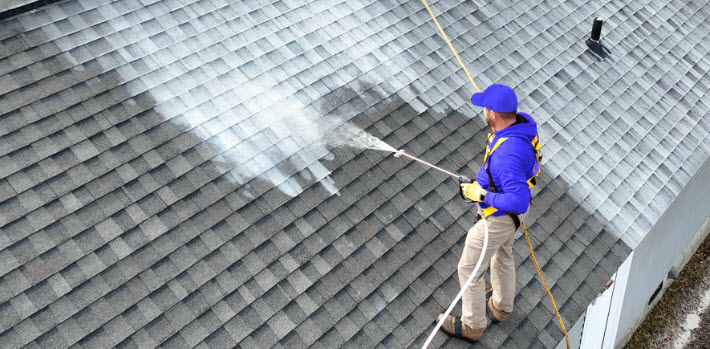 When it comes to maintaining the health of your roof, you may be faced with the decision between roof rejuvenation and roof replacement. Understanding both the structural and cost differences between these two options can help you make the best choice for your home.
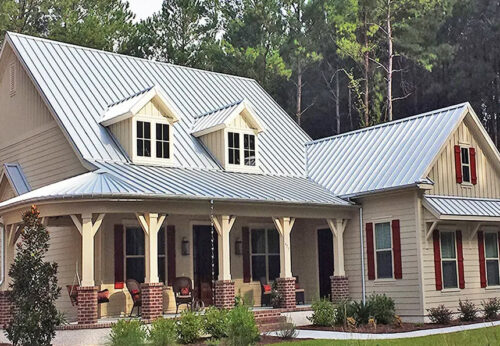 Metal roofing has become increasingly popular for both residential and commercial buildings. This roofing type encompasses a variety of materials, including steel, aluminum, copper, and zinc. Each material offers unique benefits and potential drawbacks, making it essential to understand the full scope of what metal roofing entails.
 If you’ve experienced roofing damage, filing a claim with your insurance company can help cover the costs of repair or replacement. But before you start the process you need to understand your coverage. Homeowners insurance is a type of insurance policy that provides financial protection for your home and personal property in case of damage or loss. It’s important to understand what homeowners insurance covers and what it does not cover. The part of your policy we are concerned with here is dwelling coverage. It covers the cost of repairing or rebuilding your home if it’s damaged or destroyed by covered events, such as fire, wind, or hail. It typically covers the structure of your home, including the walls, roof, and foundation.
 There are several types of
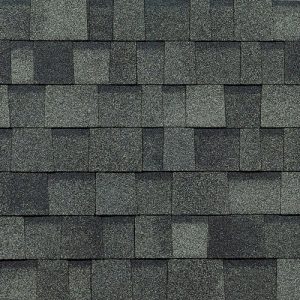 Both laminated roof shingles as well as conventional 3-tab shingles offer efficient defense against wind. They likewise, defend against damaging water infiltration from wind-driven rainfall, offering you improved defense against the elements. In the roof market, laminated shingles tiles are more often described as being “architectural” because they’re specifically engineered to offer dimension to the roof covering by way of each individual roof shingles’ shape, cut and thickness. Therefore, the movement towards 3-tabs to architectural laminated tiles was basically for aesthetic purposes.